All work
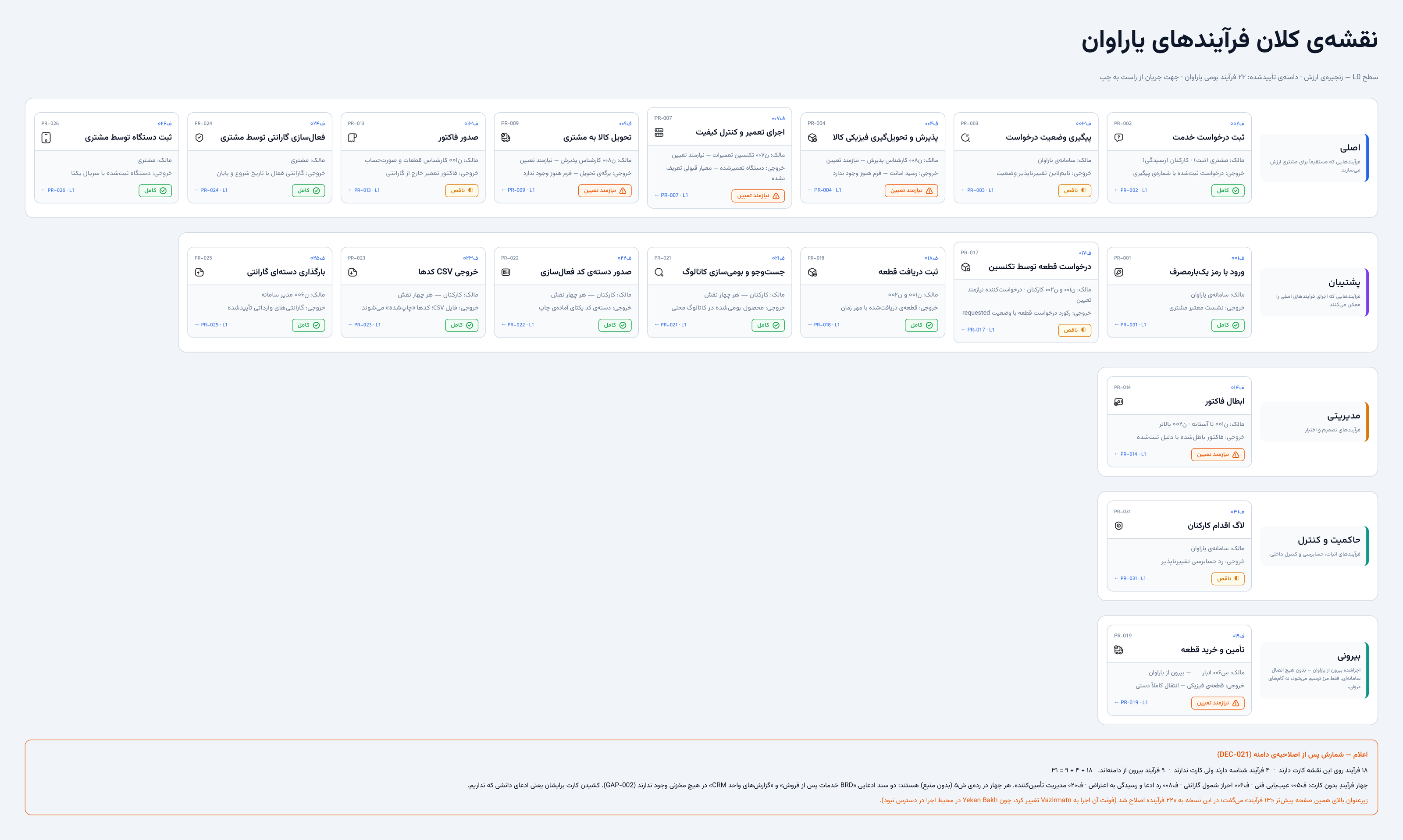
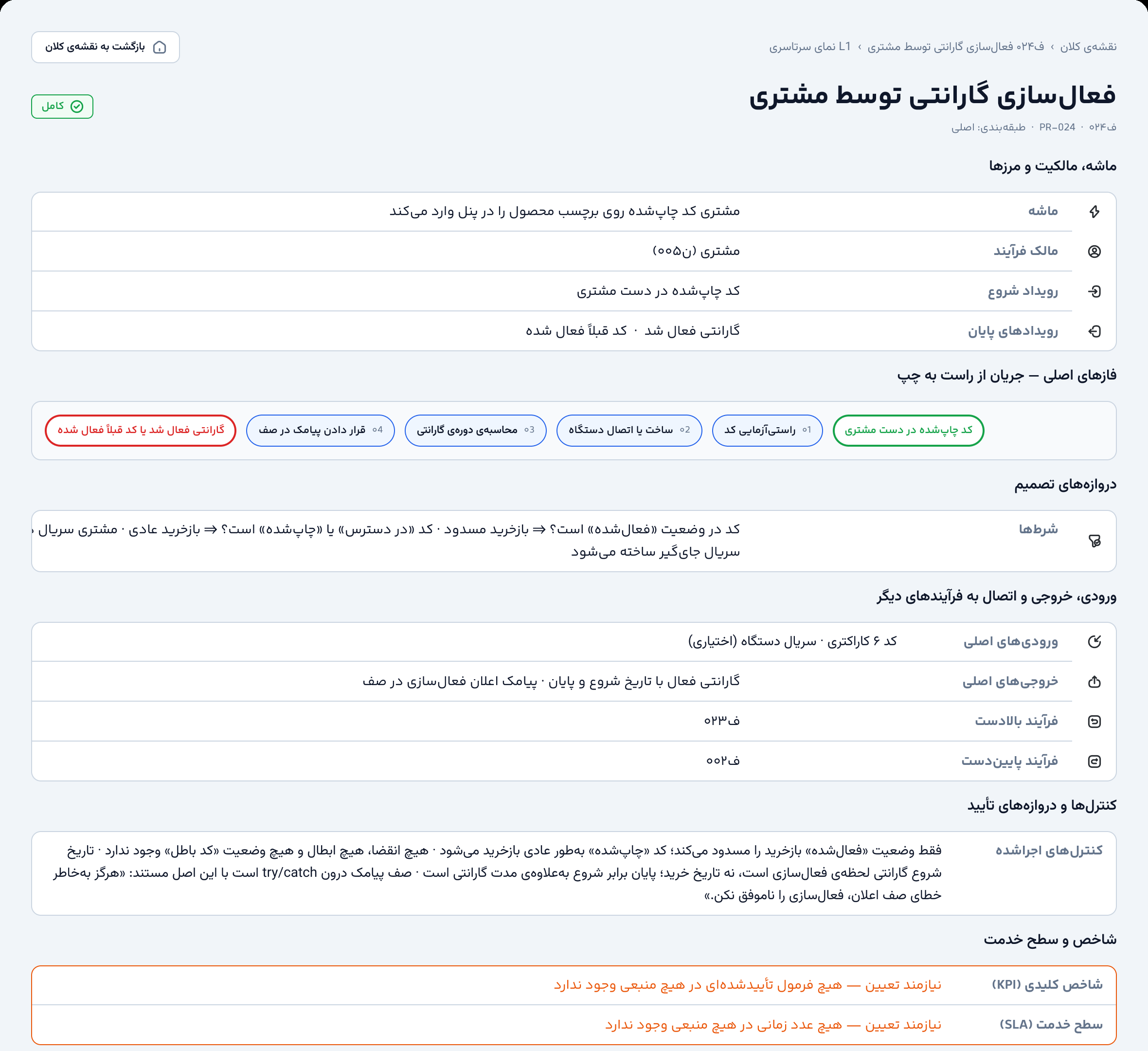
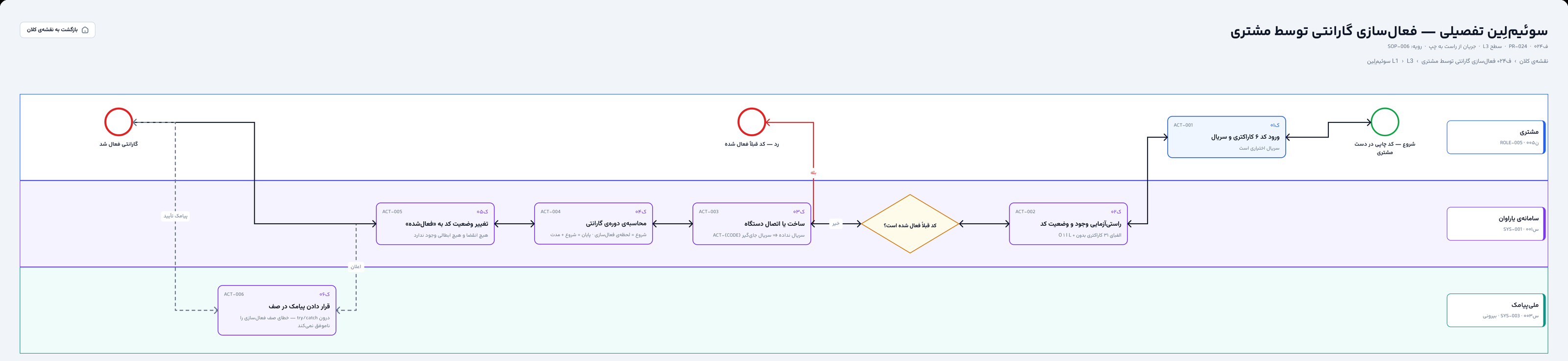
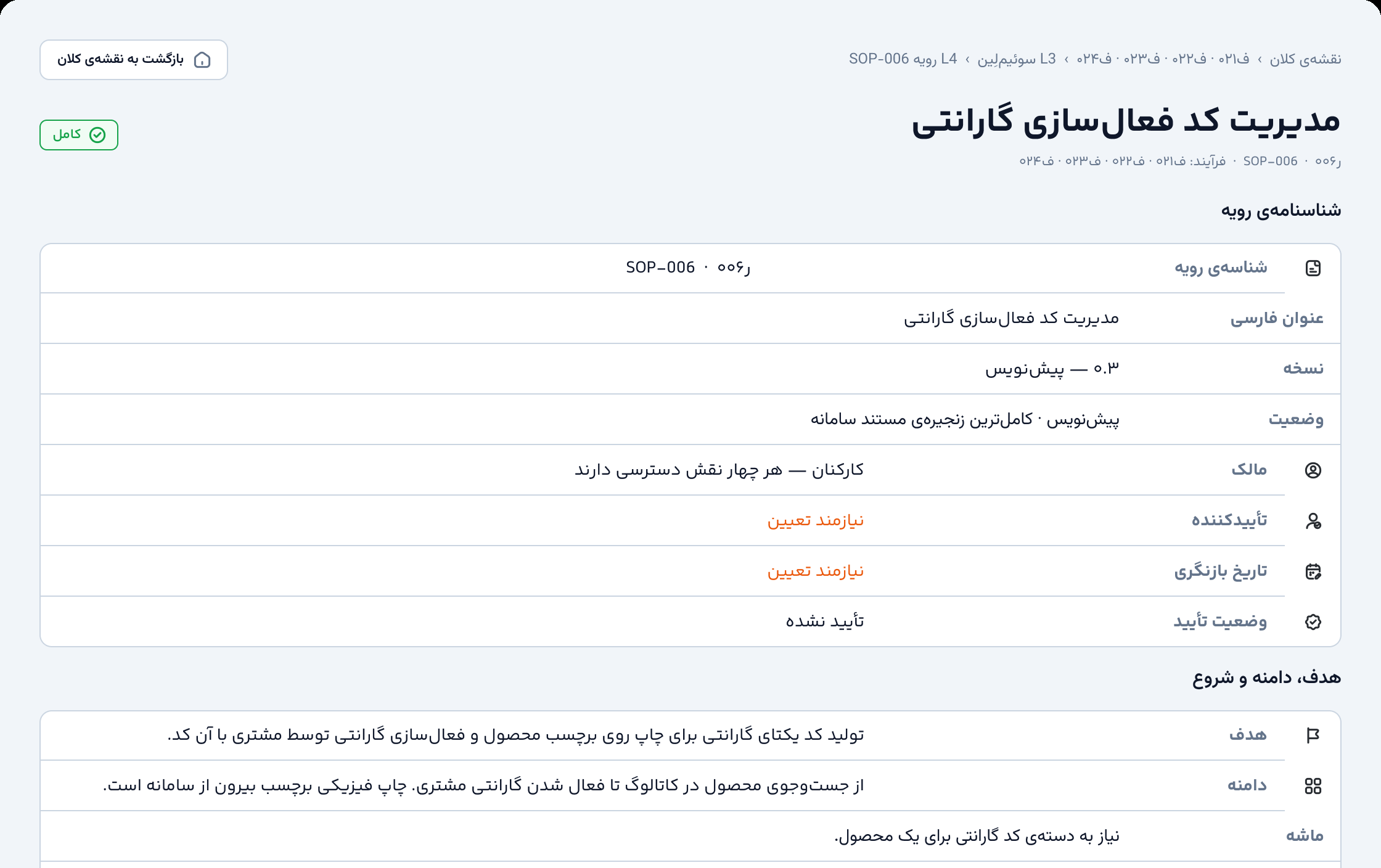
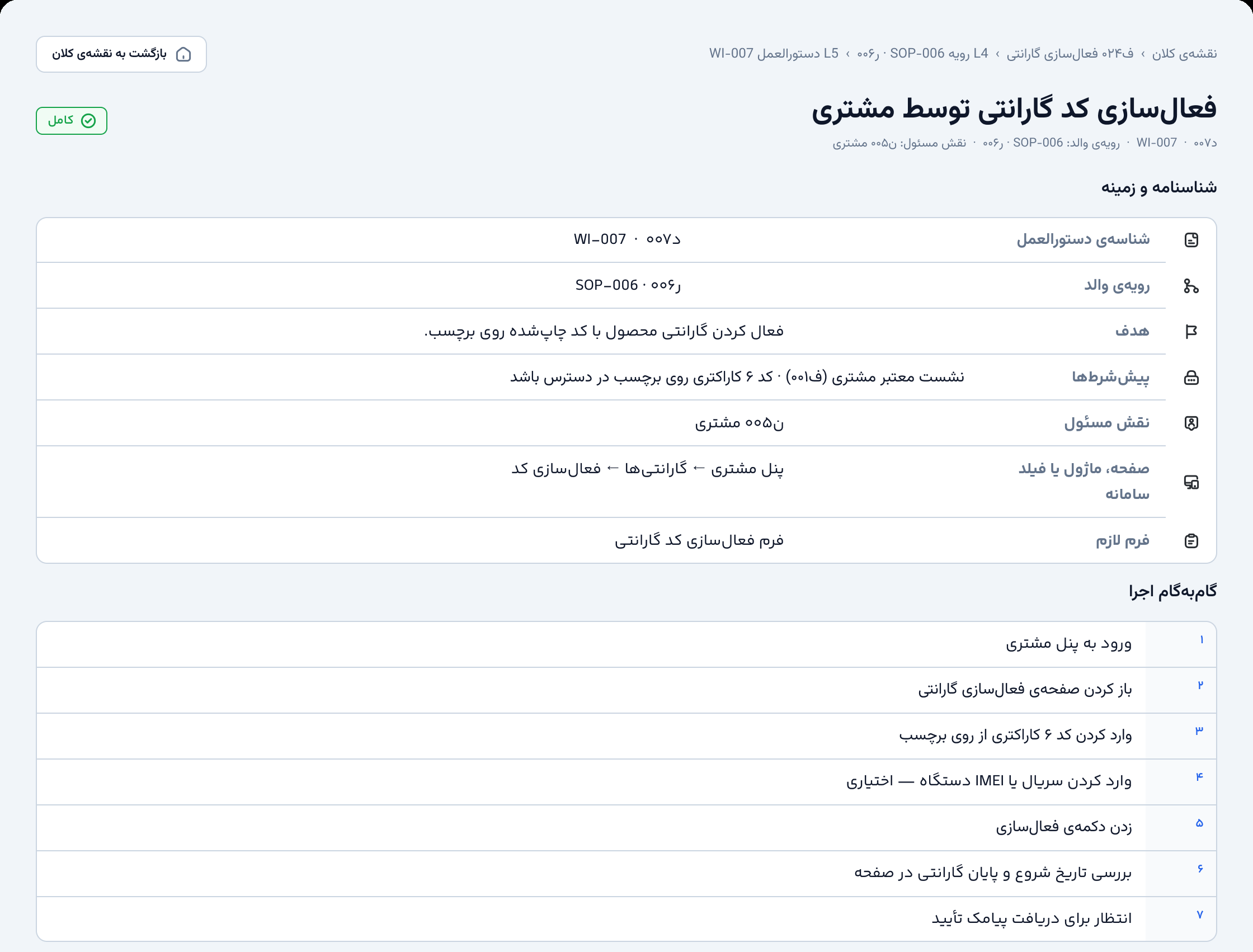
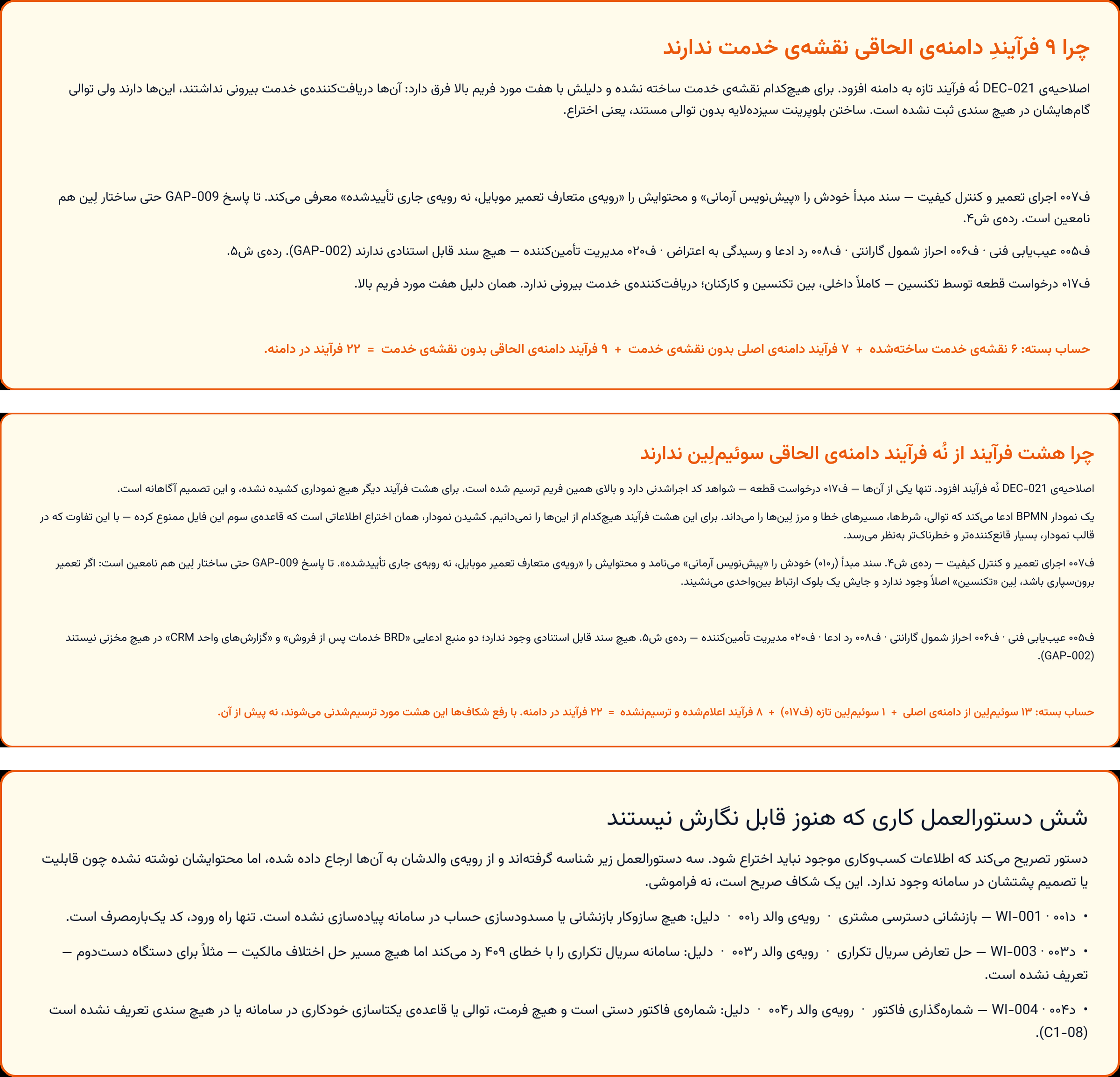
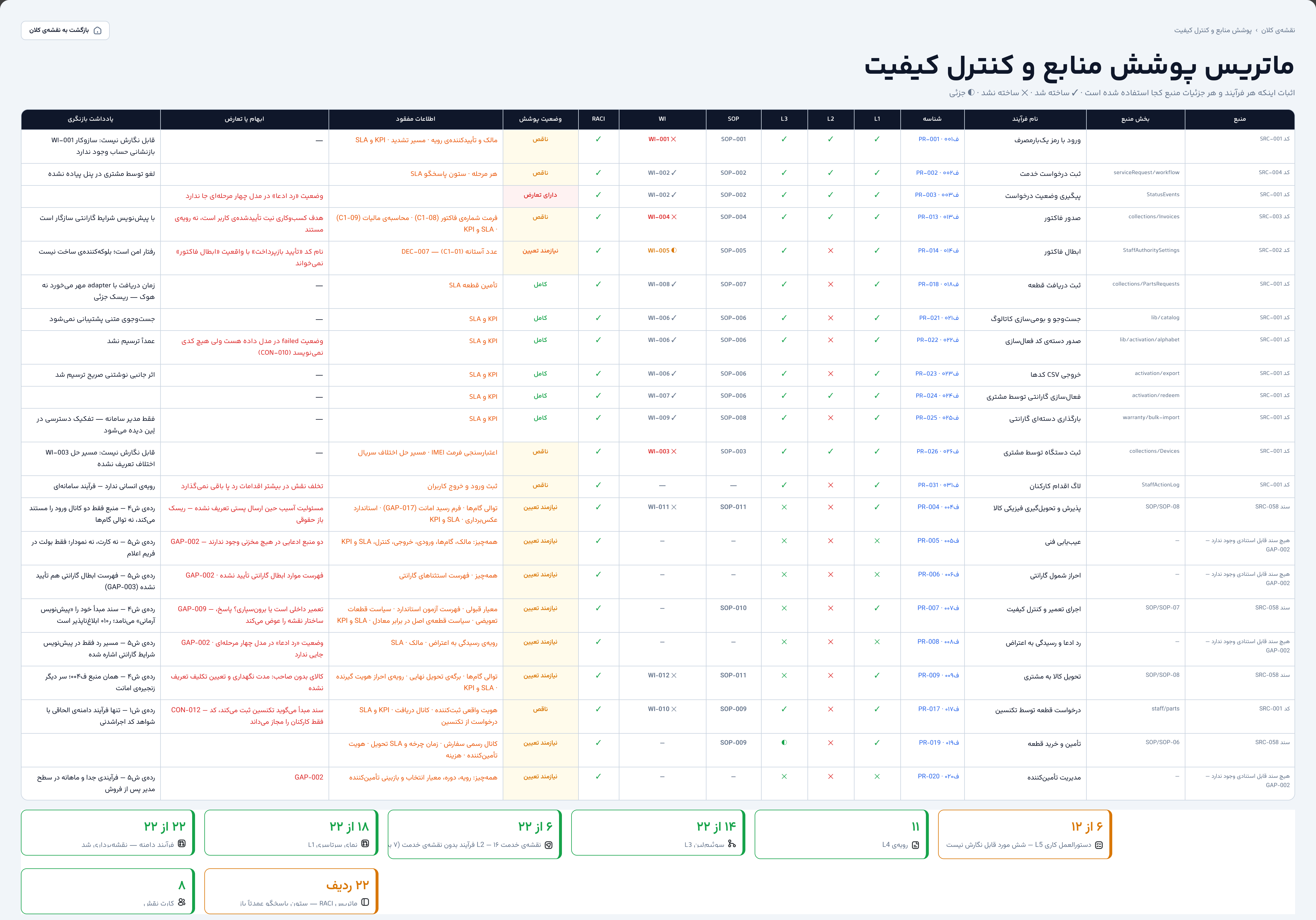
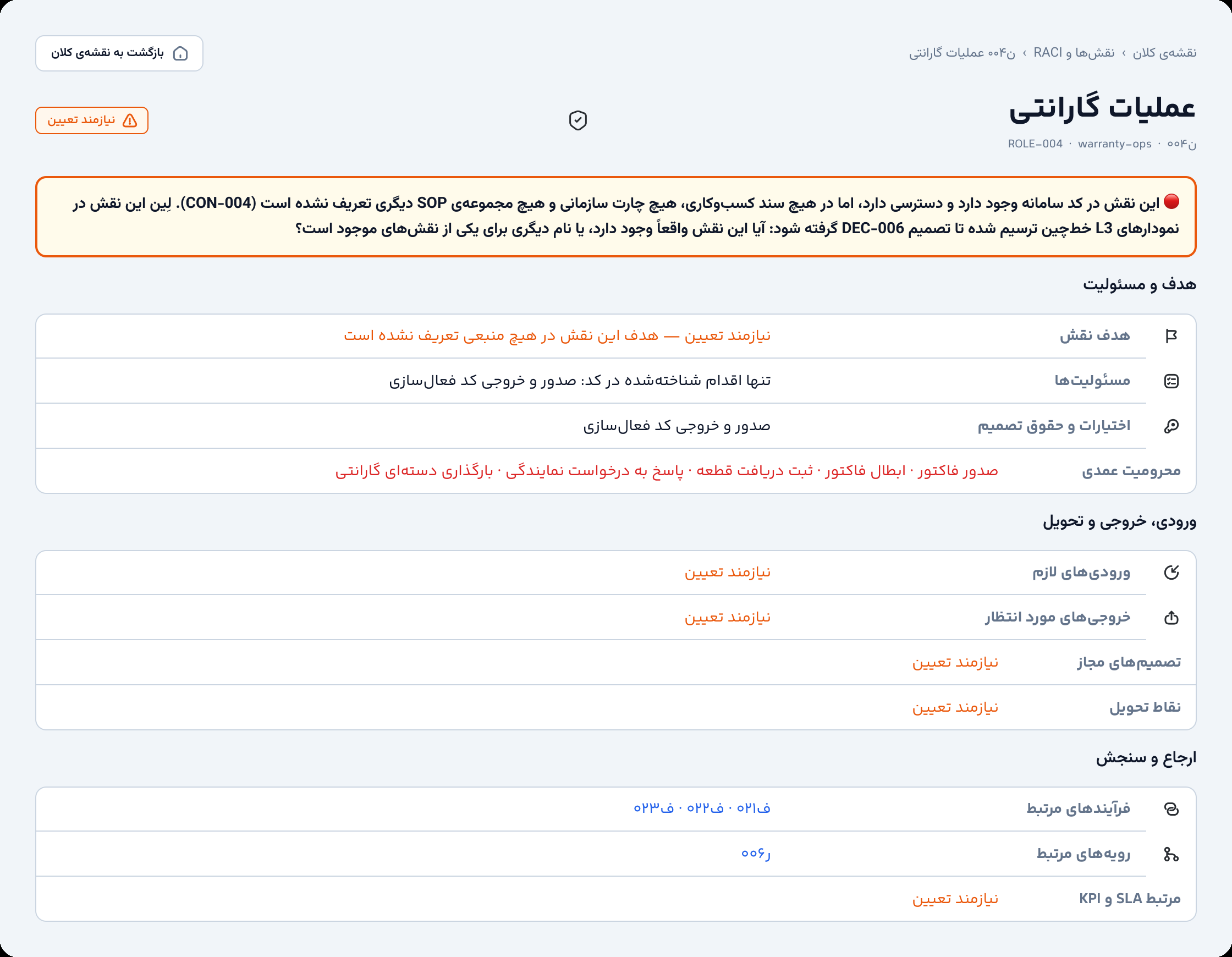
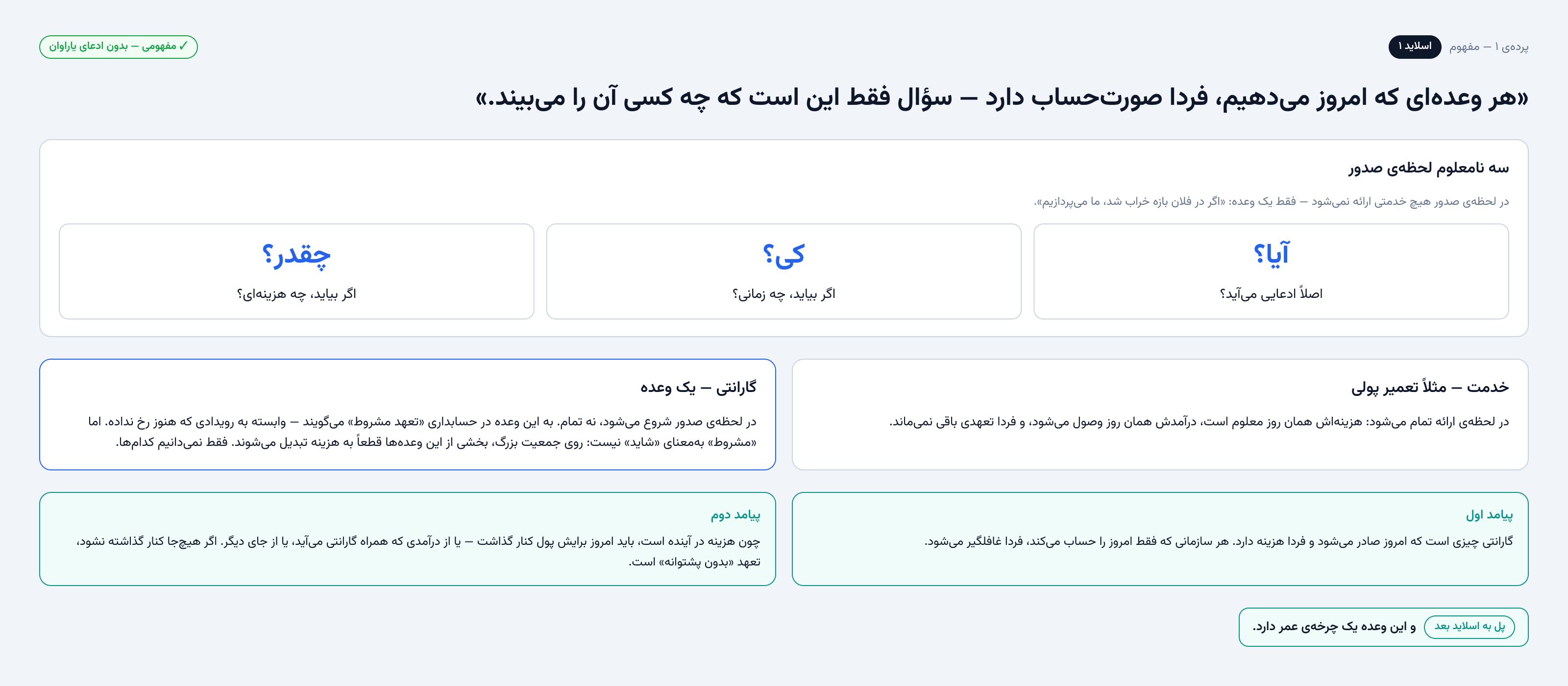
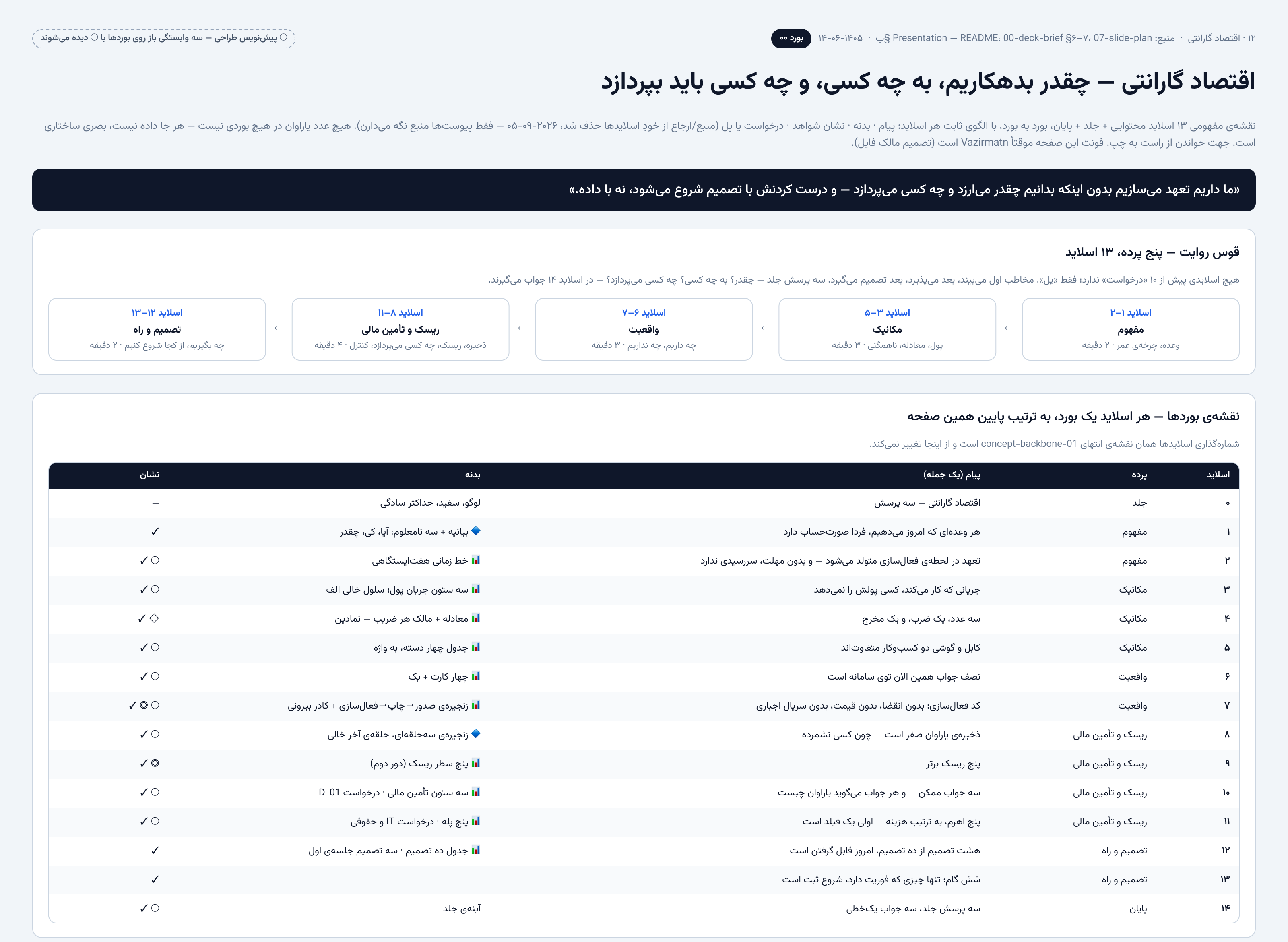
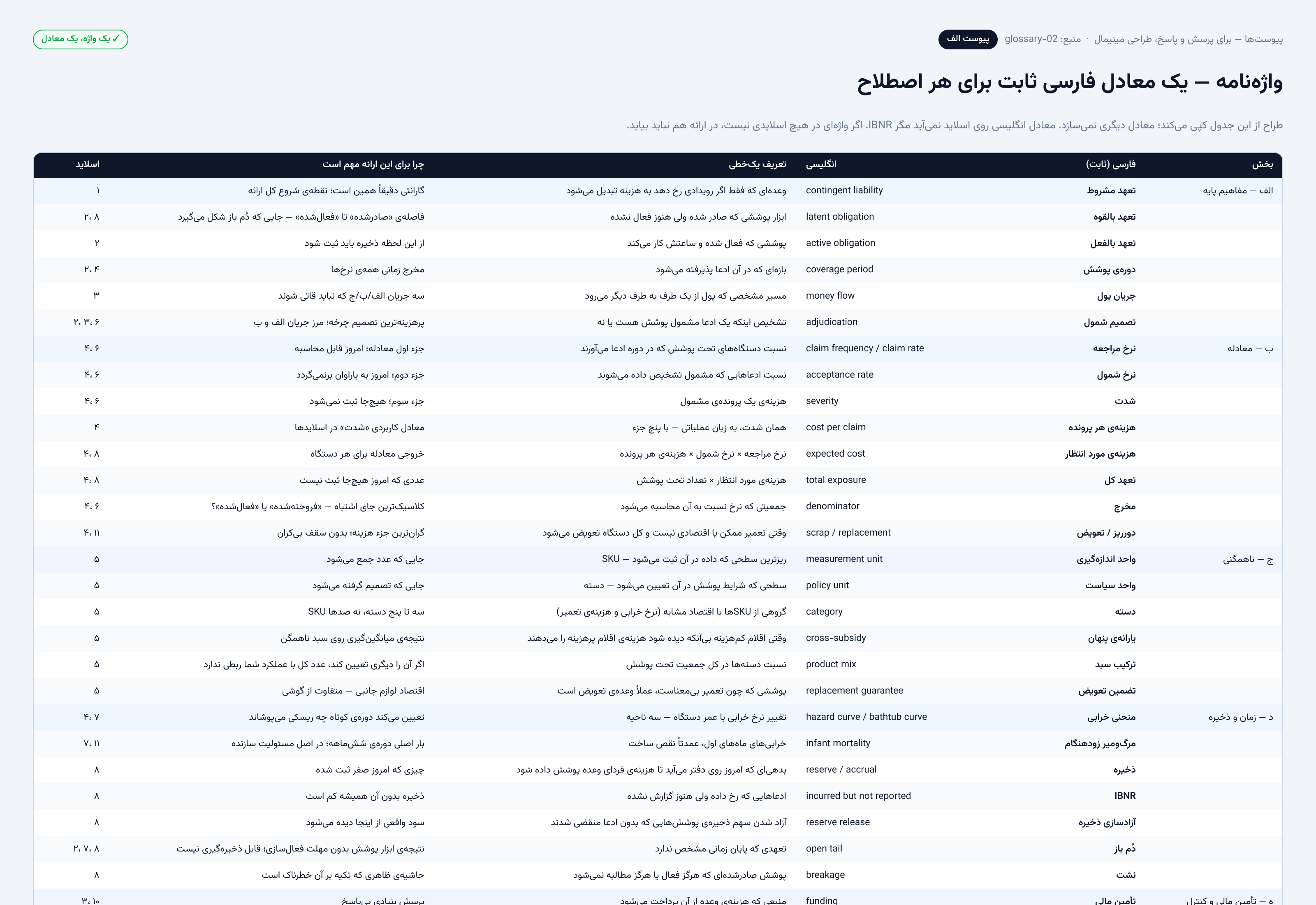
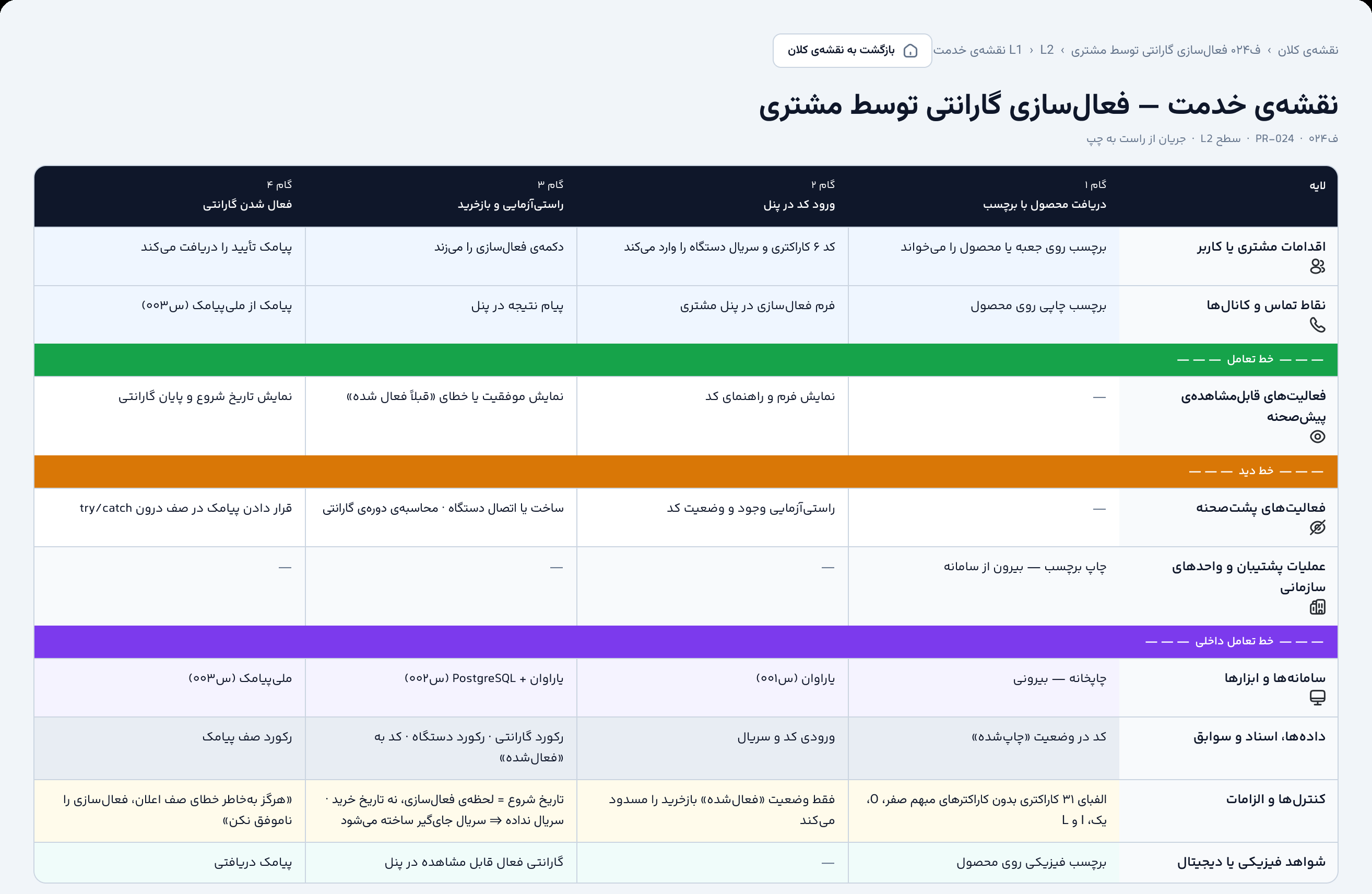
An after-sales operation nobody had written down, drawn from macro map to work instruction — only as far as the evidence allowed.
- Company
- Independent
- Role
- Service designer & process architect
- Period
- 2026
- Type
- Systems · Research
- Industry
- Retail · after-sales and warranty
- Team
- Lead service designer and process architect, with the client’s business and after-sales leads and its engineering team
- Status
- Pre-launch
- Tools
- Figma
- Obsidian
- The problem
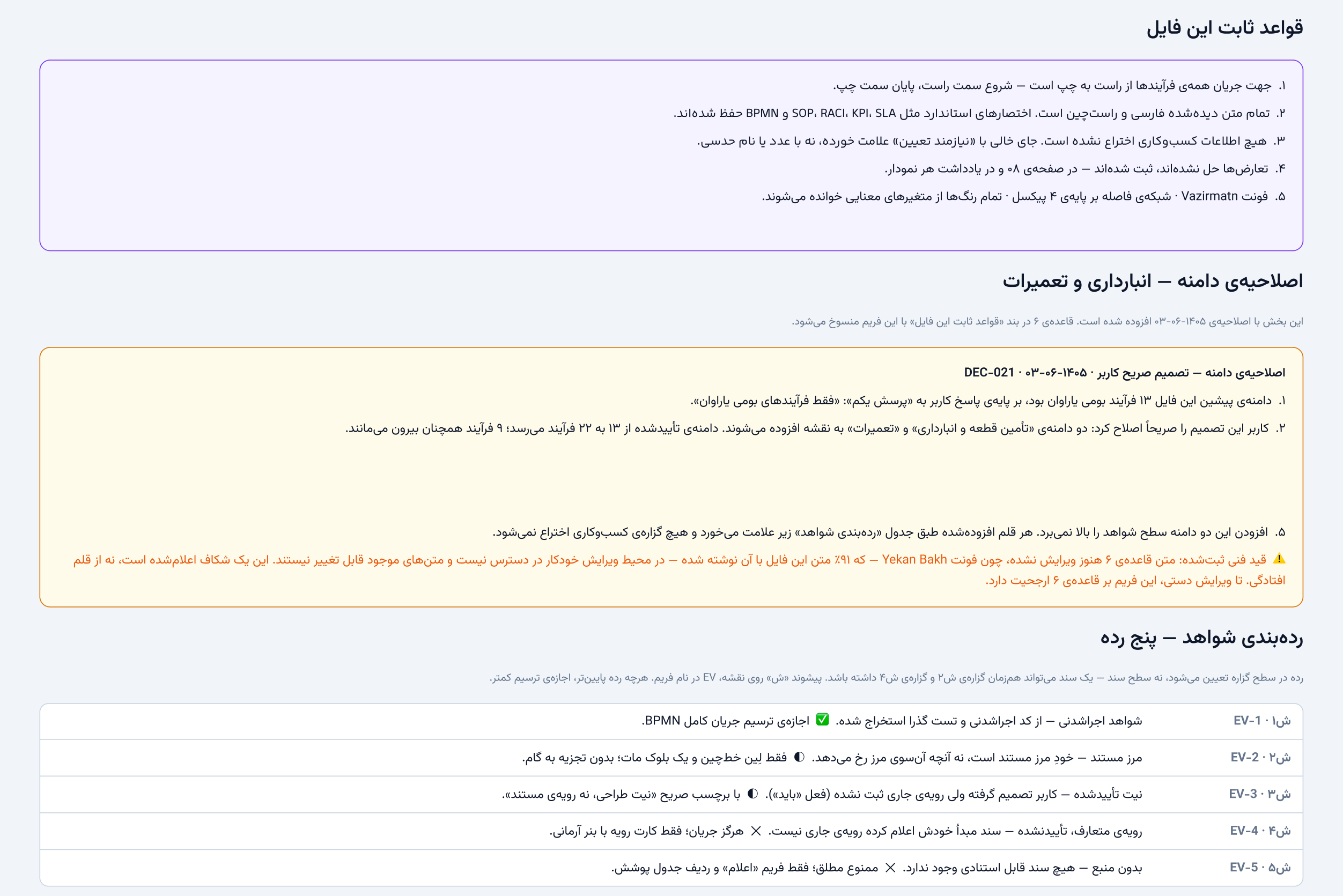
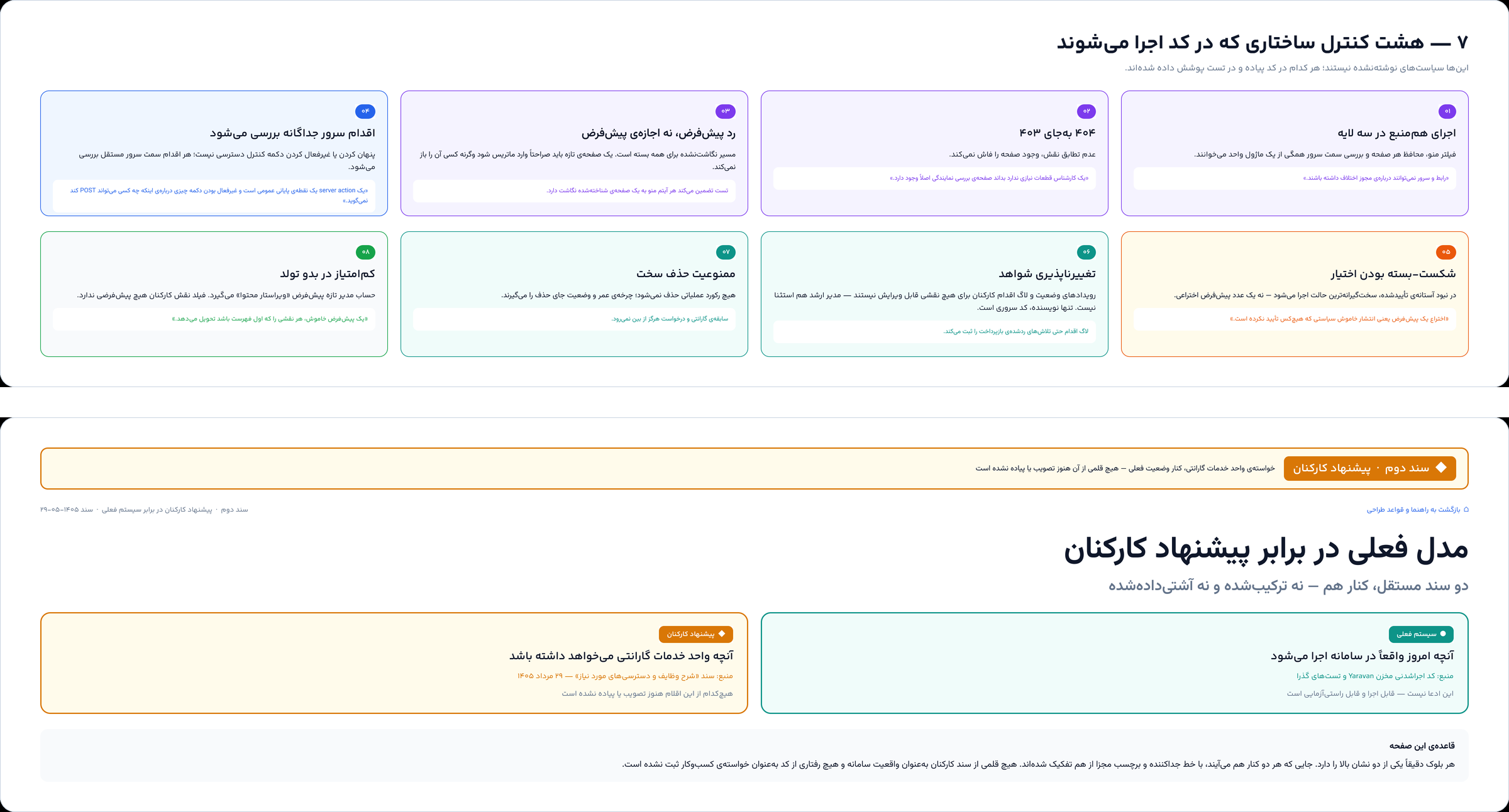
- The after-sales operation behind the brand had never been written down, and the documents cited for it existed nowhere.
- The role
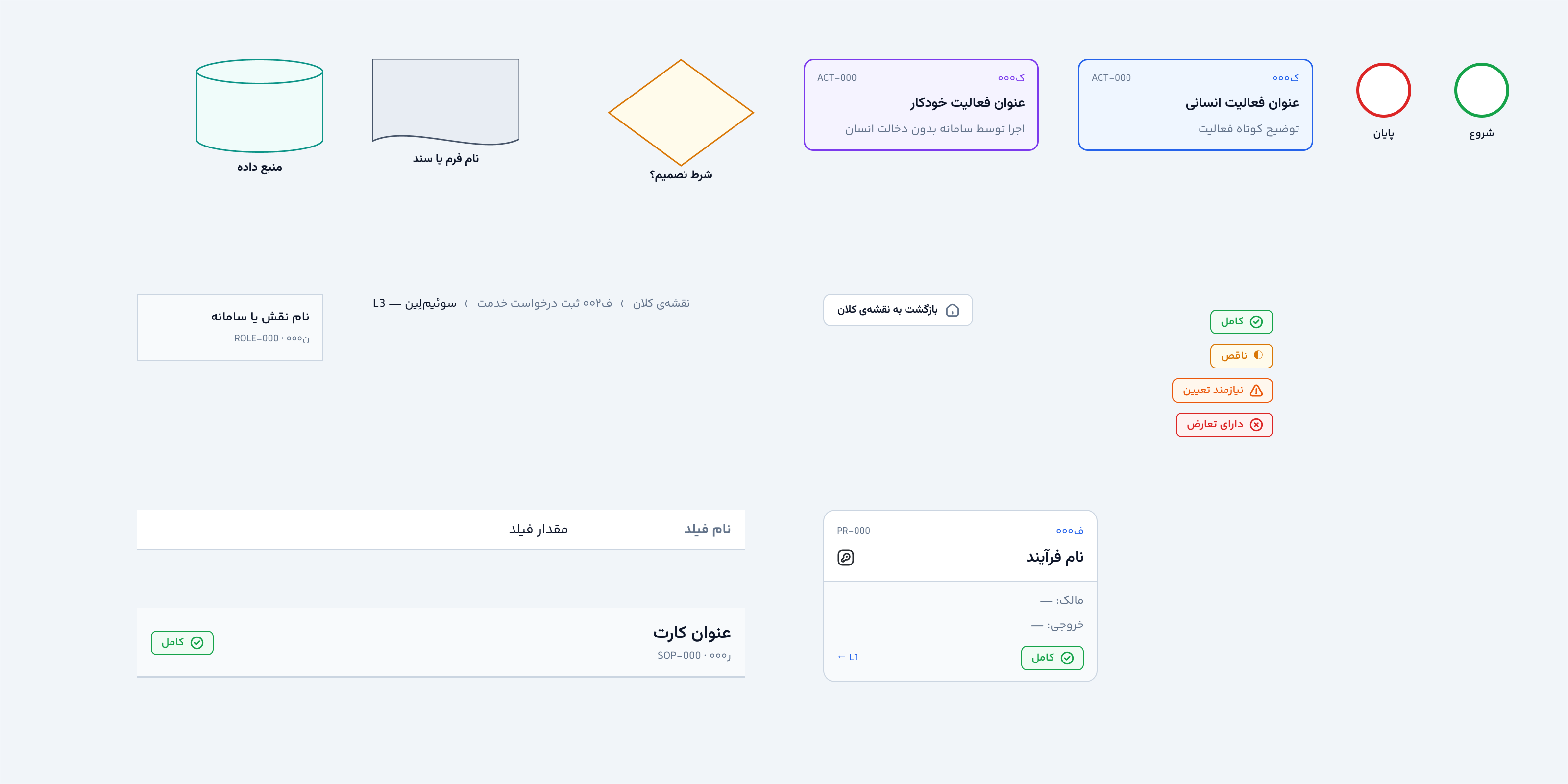
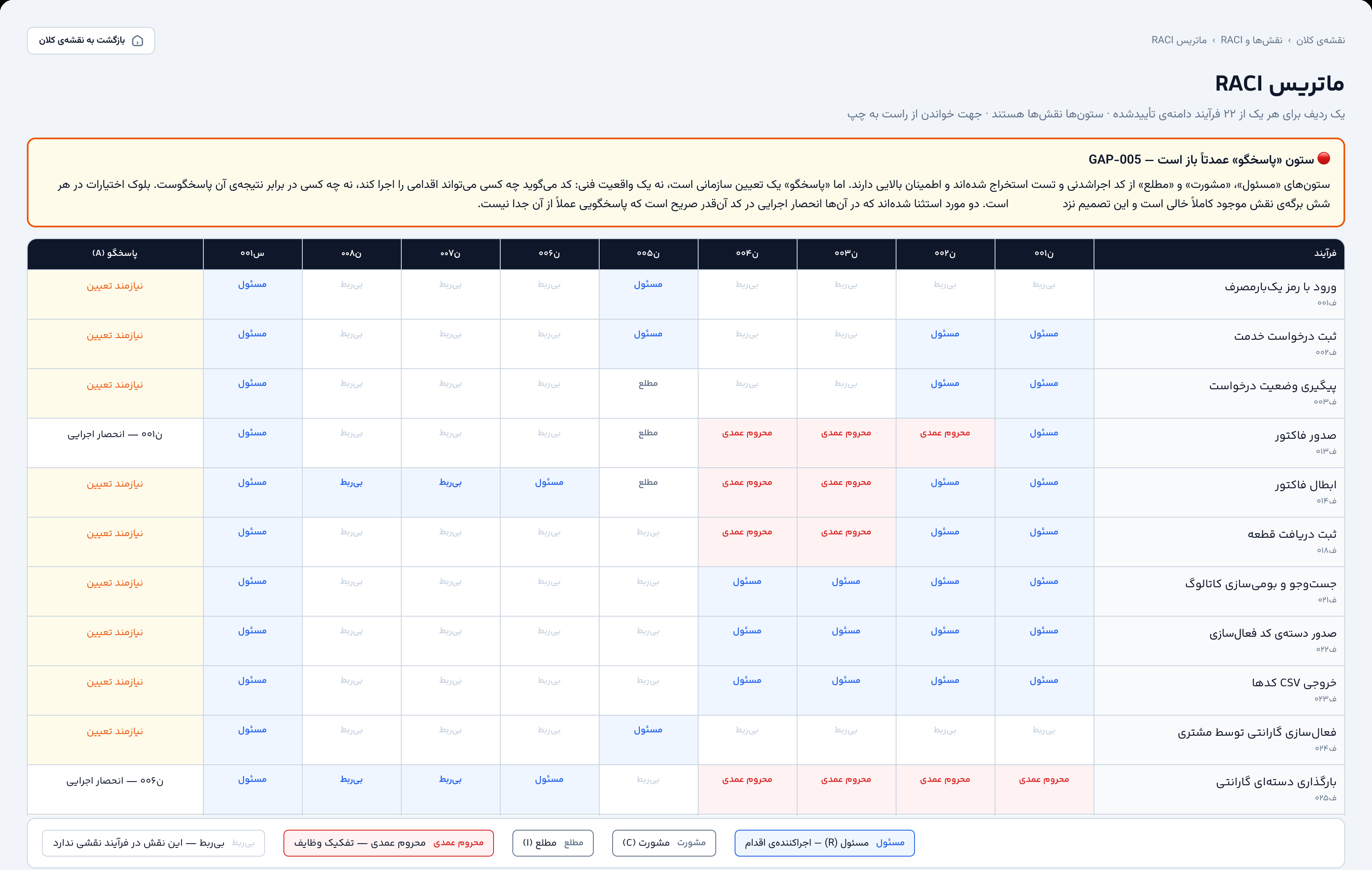
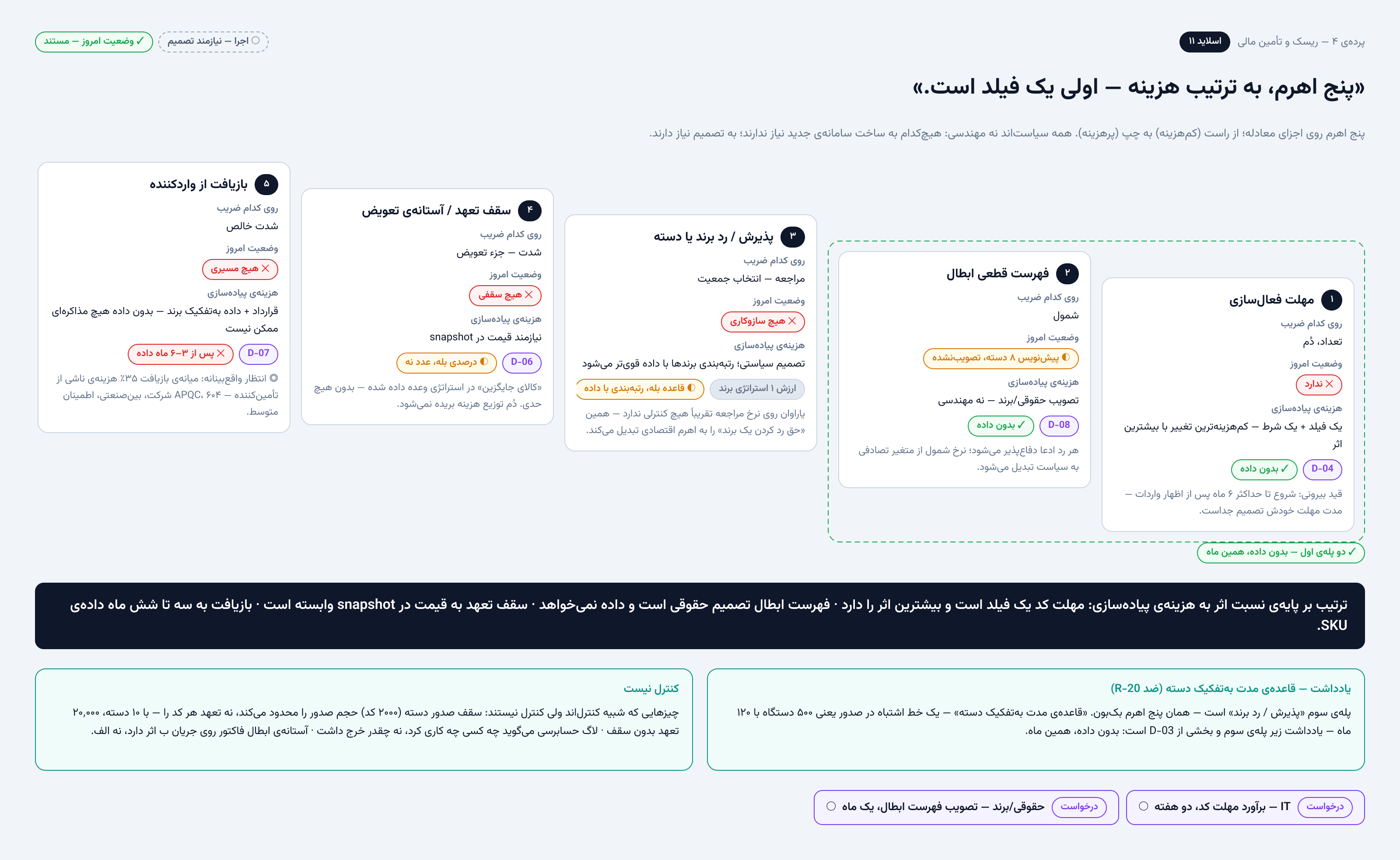
- Lead service designer and process architect: the readiness audit, a 145-board process architecture, the role model and the warranty economics.
- The result
- The first drawn account of the operation, with every gap marked and owned rather than filled. No business metrics yet.